
Uncategorized
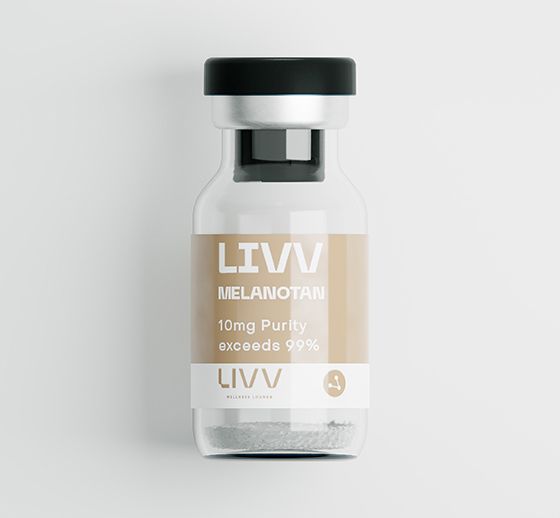
where can i buy melanotan
Mar
Melanotan: What You Should Know About the Popular Tanning Peptide
In the pursuit of the perfect tan, many people explore alternatives to traditional sunbathing and tanning beds. One product that has gained attention online in recent years is Melanotan—a synthetic peptide often marketed as a way to darken skin without prolonged UV exposure.
But what exactly is Melanotan? How does it work, and is it safe? In this article, we’ll explore the science behind Melanotan, why people use it, and the important risks and considerations surrounding it.
What Is Melanotan?
Melanotan refers to a group of synthetic peptides designed to mimic a natural hormone in the body that stimulates melanin production. Melanin is the pigment responsible for the color of our skin, hair, and eyes. Higher melanin levels lead to darker skin tones and increased protection against ultraviolet (UV) radiation.
Two forms are commonly discussed:
- Melanotan I – originally developed for potential medical uses related to skin protection.
- Melanotan II – a modified version that has been widely circulated online for tanning purposes.
Both compounds were initially researched by scientists studying treatments for skin conditions and UV-related damage. However, neither form is widely approved for cosmetic tanning use in many countries.
How Melanotan Works
Melanotan works by stimulating receptors in the body that trigger melanin production. When these receptors are activated, the skin may gradually produce more pigment, leading to a darker appearance over time.
Supporters claim that this process may:
- Increase natural skin pigmentation
- Help users tan faster when exposed to sunlight
- Potentially reduce sunburn risk due to increased melanin
However, it’s important to note that these claims are largely based on anecdotal reports and limited research. Scientific evidence about long-term safety and effectiveness remains incomplete.
Why Some People Use It
Melanotan has gained popularity in certain online communities for several reasons:
1. Desire for a Year-Round Tan
Many people want a darker complexion without spending long hours in the sun or visiting tanning salons.
2. Convenience
Some users believe Melanotan allows them to achieve tanning results faster than traditional methods.
3. Perceived UV Protection
Because melanin can provide some natural protection from UV radiation, some people assume increased pigmentation may help prevent sunburn. However, this should not be considered a replacement for sunscreen or safe sun practices.
Potential Side Effects
One of the biggest concerns with Melanotan is the range of reported side effects. Because these peptides are often sold online without strict regulation, quality and safety can vary significantly.
Reported side effects may include:
- Nausea or stomach discomfort
- Flushing or facial redness
- Fatigue or dizziness
- Darkening of existing moles or freckles
- Increased skin pigmentation in uneven areas
More serious concerns have also been raised by medical professionals regarding possible links to changes in moles and skin health. Because research is ongoing, the full risk profile is still not fully understood.
Legal and Regulatory Status
In many regions, Melanotan products are not approved for cosmetic use by medical or drug regulatory authorities. This means:
- They may not be legally marketed as tanning products
- Products sold online may not meet safety standards
- Purity and dosage may vary widely between suppliers
Because of this lack of regulation, consumers may face risks related to contamination, incorrect labeling, or unknown ingredients.
Health Experts’ Perspective
Most dermatologists and healthcare professionals advise caution when it comes to unregulated peptides like Melanotan. Without consistent clinical data and regulatory oversight, it can be difficult to evaluate long-term safety.
Medical experts generally recommend safer alternatives for achieving or maintaining a tan, such as:
- Sunless tanning lotions or sprays
- Professional spray tans
- Gradual self-tanning products
- Proper sunscreen use with moderate sun exposure
These options are widely available and do not involve introducing unregulated compounds into the body.
The Bottom Line
Melanotan has become a widely discussed product in the tanning world, largely due to its promise of faster pigmentation and reduced reliance on UV exposure. However, the lack of regulatory approval, limited research, and potential health risks mean that consumers should approach it with caution.
If you’re considering any new supplement or peptide—especially one related to skin health—it’s always wise to consult a qualified healthcare professional first.
A glowing tan can be appealing, but protecting your skin’s long-term health should always come first.
