
General Awareness
Zepbound Side Effects in the Body

Jan
Zepbound Side Effects: What You Need to Know Before Starting
Zepbound (active ingredient tirzepatide) has become one of the most talked-about medications for weight management and obesity treatment. It works by mimicking gut hormones that reduce appetite and control blood sugar. While many people benefit from significant weight loss, it’s critical to understand the side effects this powerful medication can cause — both common and serious.
In this comprehensive guide, we’ll break down:
-
Common side effects you might experience
-
Serious risks that require medical attention
-
Why side effects occur and how long they can last
-
Real patient experiences, Zepbound Side Effects
-
Safety tips and when to seek help
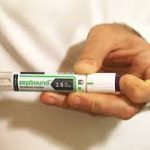

What Is Zepbound?
Zepbound is a prescription injectable medication containing tirzepatide. Originally developed for type 2 diabetes, it is widely prescribed in higher doses for chronic weight management. Its dual action targets two hormones — GLP-1 and GIP — that regulate appetite and digestion.
Because it affects multiple body systems, both mild and serious side effects have been observed in clinical studies and real-world use.
1. Common Side Effects of Zepbound
Many people starting Zepbound experience mild side effects, especially during the first weeks or when the dose is increased. These are mostly gastrointestinal (GI) or related to how the body adjusts to the medication.
Typical Side Effects
-
Nausea and vomiting — one of the most frequently reported reactions.
-
Diarrhea and constipation — digestive shifts are common.
-
Abdominal pain and indigestion — mild stomach cramps or discomfort.
-
Injection site reactions — redness, itching, or swelling where the shot is given.
-
Fatigue or tiredness — feeling unusually tired while your body adjusts.
-
Belching and heartburn — typical with digestive disturbances.
-
Hair thinning or loss — observed in a small percentage of users.
Most of these symptoms tend to decrease over time as your body adapts to the medication, especially with gradual dose increases.
User Scenario: Some patients report nausea peaking about 24–48 hours after an injection and then easing, which aligns with clinical patterns seen in patient communities.
2. Serious Side Effects to Watch For
While uncommon, certain Zepbound side effects can be serious and require immediate medical attention. These are less frequent but more dangerous, and some are highlighted in official prescribing information.
a. Pancreatitis (Inflammation of the Pancreas)
Pancreatitis — severe inflammation of the pancreas — has been linked to tirzepatide and similar medications. Symptoms can include:
-
Severe upper abdominal pain that may radiate to the back
-
Persistent nausea and vomiting
Recent regulatory alerts note a small risk of acute pancreatitis with GLP-1 and related drugs like Zepbound.
If you experience intense abdominal pain or vomiting that won’t subside, seek medical help immediately.
b. Thyroid Tumors and Thyroid Cancer Warning
Zepbound carries a boxed warning about the risk of thyroid C-cell tumors based on animal studies. It is not known exactly how this translates to humans, but patients with a history of medullary thyroid carcinoma (MTC) or Multiple Endocrine Neoplasia type 2 should not take Zepbound.
Watch for symptoms like:
-
Lump or swelling in the neck
-
Hoarseness
-
Difficulty swallowing
-
Shortness of breath
This warning underscores the importance of discussing personal and family medical history with your clinician.
c. Gallbladder Problems
Some users develop gallstones or other gallbladder issues, which can cause:
-
Upper abdominal pain
-
Fever
-
Jaundice (yellowing of skin/eyes)
-
Clay-colored stools
Such symptoms warrant urgent medical evaluation.
d. Low Blood Sugar (Hypoglycemia)
Zepbound can lower blood sugar, especially when used with other diabetes medications like insulin or sulfonylureas. Symptoms may include:
-
Shaking or sweating
-
Blurred vision
-
Dizziness
-
Confusion
Monitor blood sugar closely and work with your care team to adjust doses if needed.
e. Serious Allergic Reactions
Although rare, severe allergic reactions can occur. Symptoms to watch for include:
-
Swelling of face, lips, tongue, or throat. Zepbound Side Effects
-
Difficulty breathing
-
Rapid heartbeat
-
Severe rash or hives
If these occur, discontinue Zepbound and seek emergency help.
f. Dehydration and Kidney Issues
Severe nausea, vomiting, or diarrhea can lead to dehydration and subsequent kidney strain or injury. Staying hydrated — especially when digestive symptoms are present — is crucial. Zepbound Side Effects
g. Other Rare but Reported Effects
Some people report:
-
Changes in mood or depression
-
Vision changes (especially in diabetics with retinopathy)
-
Taste changes or unusual sensations
These are less common but should still be discussed with your healthcare provider if they arise.
Why Do Side Effects Occur?
Zepbound acts on hormones that regulate appetite, digestion, and blood glucose. Because of this systemic action:
-
The digestive tract reacts to changes in motility and hunger signals
-
Fluid balance shifts can occur with vomiting/diarrhea. Zepbound Side Effects
-
Metabolic pathways are altered, affecting blood sugar and gut hormones
Individual responses vary widely based on genetics, pre-existing conditions, dose levels, and concurrent medications.
Real Patient Experiences
Online communities show a broad range of experiences:
-
Some users report nausea and diarrhea during the first weeks, which taper off.
-
Others describe more severe bouts of vomiting and dehydration requiring ER visits.
-
Taste changes, fatigue, and even metabolic boredom are mentioned anecdotally.
These narratives underscore the importance of personalized management and open communication with healthcare professionals.
Tips for Managing Side Effects
Here are practical ways users often mitigate symptoms:
-
Start with a low dose and increase gradually under medical supervision
-
Eat smaller, frequent meals to reduce nausea
-
Stay well-hydrated to prevent dehydration
-
Report severe or persistent symptoms to your provider
-
Monitor blood glucose regularly if you have diabetes
Follow your clinician’s guidance on dosing and side effect management to make treatment safer and more tolerable.
When to Seek Immediate Care
Contact immediate medical help if you experience any of the following while taking Zepbound:
-
Severe abdominal pain or vomiting
-
Signs of pancreatitis or gallbladder issues
-
Difficulty breathing or swelling of the face/throat
-
Symptoms of low blood sugar unresponsive to treatment
-
New or worsening mood changes
