
General Awareness
GHK-Cu Before and After

Nov
GHK-Cu Before and After: What to Expect from This Powerful Copper Peptide
GHK-Cu, also known as Copper Tripeptide-1, has become one of the most talked-about ingredients in skincare and haircare due to its reputation for supporting smoother, firmer-looking skin and healthier-looking hair. If you’ve been searching for GHK-Cu before and after results, you’re likely wondering what kind of changes you can realistically expect and how long it takes to see them.
This guide breaks down how GHK-Cu works, what improvements users commonly report, and what factors influence results—so you know exactly what to expect before trying it.
What Is GHK-Cu?
GHK-Cu is a naturally occurring copper peptide found in the human body. It plays a role in:
-
Supporting the skin’s natural repair processes
-
Encouraging a healthier-looking skin barrier
-
Helping skin appear smoother and more even
-
Supporting thicker-looking and stronger-feeling hair
Because of these properties, GHK-Cu is now included in many serums, creams, and hair-growth products.
GHK-Cu Before and After: What Results Do Users Report?
Although individual results vary, many people using GHK-Cu consistently for 8–12 weeks report noticeable improvements in the appearance of their skin and hair. Below are the most common before-and-after changes.
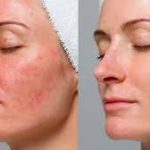
1. Smoother-Looking Skin Texture
Before:
Users often describe their skin as rough, uneven, or dull, with visible fine lines or enlarged pores.
After:
With regular use, many notice that their skin appears smoother, more refined, and softer to the touch. GHK-Cu may help support the skin’s natural renewal processes, which can lead to an overall more polished appearance.
2. Firmer, More Lifted Appearance
Before:
Some people experience sagging or loss of elasticity as they age.
After:
GHK-Cu may help the skin look firmer and more resilient. While it is not a replacement for cosmetic procedures, many users report that their skin appears tighter and more youthful after consistent application.
3. More Even-Looking Skin Tone
Before:
Hyperpigmentation, sun damage, and redness are common concerns for those exploring copper peptides.
After:
Users often describe a more even, radiant complexion. GHK-Cu may help support the appearance of healthier, more balanced skin over time.
4. Reduced Appearance of Fine Lines
Before:
Fine lines, especially around the eyes and mouth, are a common early sign of aging.
After:
While it cannot erase wrinkles, some people notice that their fine lines appear softer or less pronounced with continued use.
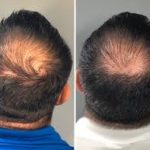
5. Improved Hair Thickness and Shedding
Before:
Many users trying GHK-Cu for hair concerns report thinning, shedding, or lack of volume.
After:
GHK-Cu may help hair appear fuller and stronger. Some people also experience a reduction in shedding over time, though results depend heavily on the underlying cause of hair loss.
How Long Does It Take to See GHK-Cu Results?
Most users begin seeing visible improvements between 4–8 weeks, with more significant before-and-after changes showing around 12 weeks.
However, improvement timelines can vary depending on:
-
Product strength and formulation
-
Consistency of use
-
Skin condition and age. ghk-cu injection
-
Whether the product is paired with other supportive skincare ingredients
What Affects GHK-Cu Before and After Results?
1. Product Quality
Not all copper peptide products are created equal. High-quality formulations with stable GHK-Cu often deliver better results. ghk-cu peptide benefits
2. Proper Routine Placement
GHK-Cu typically performs best when applied to clean skin before heavier creams or oils.
3. Avoiding Incompatible Ingredients
Some strong acids or retinoids may reduce the effectiveness of copper peptides when layered improperly. It’s important to follow instructions or use alternating routines. how much ghk-cu should i inject daily
4. Consistency
Like most skincare ingredients, GHK-Cu requires consistent application for measurable improvement. ghk-cu copper peptide
Is GHK-Cu Safe?
GHK-Cu is generally considered well-tolerated for most skin types, but individuals with sensitive skin may experience mild irritation. Always patch test a new product, and speak to a dermatologist if you have concerns or existing skin conditions.
