
General Awareness
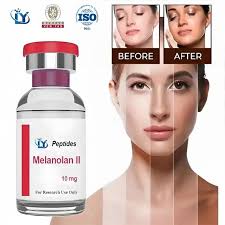
Melanotan II Before and After
Dec
Melanotan II Before and After: What People Claim vs. What Science Shows
Melanotan II (MT2) is a synthetic peptide that has circulated online in discussions about skin tanning. “Before and after” photos and testimonials are common, but they often leave out important context about safety, approval status, and scientific evidence.
This article explains what Melanotan II is, the types of changes people claim to see before and after, and what researchers and health authorities actually say.
What Is Melanotan II?
Melanotan II is a synthetic analog of alpha-melanocyte-stimulating hormone (α-MSH). It was originally studied for its ability to stimulate melanin production, the pigment responsible for skin color.
Key facts:
-
It is not FDA-approved
-
It is not a regulated tanning treatment
-
It has been studied only in limited research settings
Common “Before and After” Claims Online
People who post before-and-after content often describe changes such as:
1. Skin Darkening
Before: Lighter skin tone
After (claimed): Darker or “tanned” appearance without sun exposure
2. Faster Tanning
Before: Slow tanning or frequent sunburn
After (claimed): Faster visible pigment changes
3. Freckles or Moles
Before: Fewer visible spots
After (reported by some): Darkening of freckles or moles
These changes are typically self-reported and not medically verified.
Why Before and After Photos Can Be Misleading
Before-and-after images don’t prove safety or effectiveness because:
-
Lighting, filters, and camera angles affect skin tone
-
Sun exposure or other products may be used at the same time
-
Skin pigment naturally varies over time
-
Side effects may not be shown in photos
Visual changes alone do not equal medical approval or safety.
Documented Risks and Side Effects
Medical literature and health agencies have raised concerns about Melanotan II, including:
-
Nausea and vomiting
-
Flushing and fatigue
-
Changes in moles or pigmentation
-
Potential increased risk related to skin cancer detection
-
Unknown long-term effects
Because it affects pigmentation, dermatologists warn against unregulated use, especially without skin monitoring.
Approval and Safety Status
-
❌ Not FDA-approved
-
❌ Not considered safe for cosmetic tanning
-
❌ Not regulated for quality or purity
Health authorities advise against using Melanotan II due to unknown dosage consistency, contamination risks, and lack of long-term safety data.
Why It’s Especially Important to Be Cautious
Skin pigmentation changes involve complex biological pathways. Altering them artificially can:
-
Mask early signs of skin disease
-
Permanently alter pigmentation
-
Create uneven or unpredictable results
For younger individuals especially, using unapproved compounds can carry long-term health consequences.
Bottom Line
“Before and after” Melanotan II content often highlights appearance changes but ignores critical facts:
-
Claims are anecdotal
-
Safety is not established
-
The compound is unapproved and unregulated
-
Risks may outweigh cosmetic benefits
Healthy skin practices—like sun protection and dermatologist-approved treatments—remain the safest, evidence-based approach.
